Permanent Makeup and Microblading
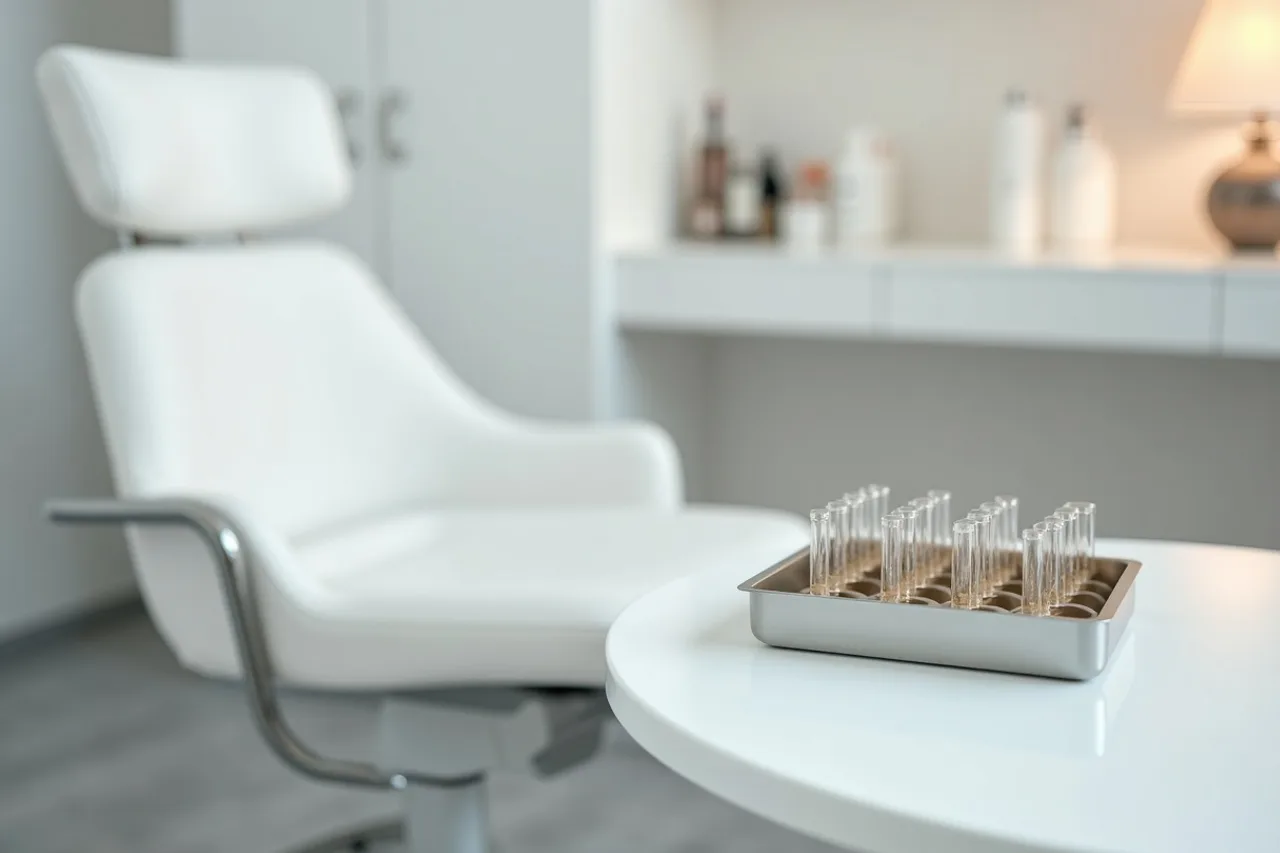
A needle depositing pigment under the skin is invasive - like a tattoo. A touchless sink, single-use needles, a medical waste bin.
Permanent Makeup and Microblading: Sanepid Requirements Different From a Standard Manicure
Permanent makeup for brows, lips or an eyeliner effect is a treatment that deposits pigment under the skin using a needle. This is no longer in the category of a "standard" cosmetic treatment like a manicure or henna, it's a procedure that breaks the skin's integrity, treated by sanitary regulations similarly to a tattoo. If you're planning to add PMU or microblading to your salon's offer, the Sanepid requirements are higher than what you're used to with standard beauty services.
Why PMU falls under different regulations than a manicure
The key legal distinction is whether a treatment breaks the skin's integrity. A manicure, brow henna or lash lamination usually don't pierce the skin, although they can trigger allergic reactions. Permanent makeup works differently: the needle deposits pigment into the dermis or epidermis, creating an infection risk comparable to a tattoo or piercing.
- There is no dedicated sanitary regulation for permanent makeup - the former regulation on sanitary requirements for hairdressing, cosmetic, tattoo and wellness establishments was repealed (around 2011-2012). Obligations today derive from the Act of 5 December 2008 on preventing and combating infections and infectious diseases in humans (art. 16) and from your own written procedures ensuring sanitary and hygienic conditions. These are the procedures a Sanepid inspector assesses during an inspection.
- A higher standard of tool hygiene: while sterilizing reusable tools in an autoclave is the standard for a manicure, industry practice and sanitary recommendations for PMU go further, towards exclusively single-use, factory-sterile needles and cartridges, opened in front of the client.
Requirements for the station and the room
A PMU station should meet a higher standard than a typical manicure station, given the invasive nature of the treatment.
- A sink with a touchless tap or one operated by elbow or foot in the room where you perform the treatment, allowing you to wash and disinfect your hands without touching the tap after putting on gloves.
- A dedicated station, ideally a separate room, apart from stations used for regular cosmetic treatments, to limit the risk of cross-contamination between clients using different services.
- Surfaces that are easy to disinfect: the counter, chair and work lighting should be made of materials that hold up to frequent disinfection with high-strength products suited for invasive treatments, not just standard cosmetic surface cleaners.
Single-use tools and materials
This is where PMU differs most from the rest of a nail or brow salon's offer.
- Needles and cartridges must be single-use only, in a factory-sealed, sterile package, opened directly before the treatment, in front of the client. After the treatment, the needle goes into a sharps medical waste container, never into a regular bin.
- Disposable gloves changed at every break in contact with a different surface, for example if during the treatment you reach for your phone or touch anything outside the sterile field.
- Certified pigments with a safety data sheet, registered for use in the European Union, with a traceable batch number, in case of a health complaint or an allergic reaction in a client.
- A sharps medical waste container (yellow container for infectious waste), collected by a specialized medical waste disposal company, not through regular municipal waste collection or even the standard BDO procedure for cosmetic waste.
Health interview and contraindications
Given the invasive nature of the treatment, the health interview before PMU needs to be more detailed than a standard client card in a manicure salon.
- Chronic conditions requiring extra caution: diabetes (slower healing), skin conditions at the treatment site, a tendency to form keloid scars, blood clotting disorders.
- Medications affecting blood clotting, for example anticoagulants, which increase the risk of bleeding and can affect the quality of the final result.
- Pregnancy and breastfeeding: many industry sources and pigment manufacturers recommend postponing the treatment, though the final decision should factor in a consultation with the client's doctor.
- Client age: in practice, salons don't perform permanent makeup on minors, even with a parent's theoretical consent, given the permanent nature of the treatment and the risk of a change of mind in the future.
Frequently Asked Questions
Can I perform PMU in the same room where I do manicures?
It's not explicitly prohibited, but a dedicated station or room for invasive treatments is recommended, to limit the risk of cross-contamination and meet the higher hygiene standard required for treatments that break skin integrity. A Sanepid inspector will pay attention to zone separation during an inspection.
Can I use an autoclave to sterilize PMU needles instead of buying single-use ones?
Industry standard and sanitary recommendations clearly point towards exclusively single-use, factory-sterile needles and cartridges. Sterilizing reusable PMU needles in your own autoclave isn't a recommended practice and can raise serious concerns during an inspection, given the difficulty of guaranteeing full sterility of a needle that penetrates deep into the skin.
What training do I need to legally perform PMU?
Beyond the sanitary requirements for the premises and tools, performing permanent makeup requires appropriate technical training, usually a certified PMU course covering both technique and safety principles. A sanitary certificate for the premises alone doesn't substitute for qualification to perform the treatment itself.
Can I throw away PMU waste together with manicure waste?
No. Needles and other single-use sharp items from invasive treatments go into a separate medical waste container, collected by a specialized disposal company, not into the standard cosmetic waste stream settled through the BDO system for regular salon waste.
Running a beauty salon and want your paperwork in order?
NailsReady packages include ready-made sanitary procedures, GDPR consent templates, client cards and inspection checklists - all tailored to nail, brow and lash salons. Save time and avoid costly mistakes.
See NailsReady packages