Wedding Season at the Salon
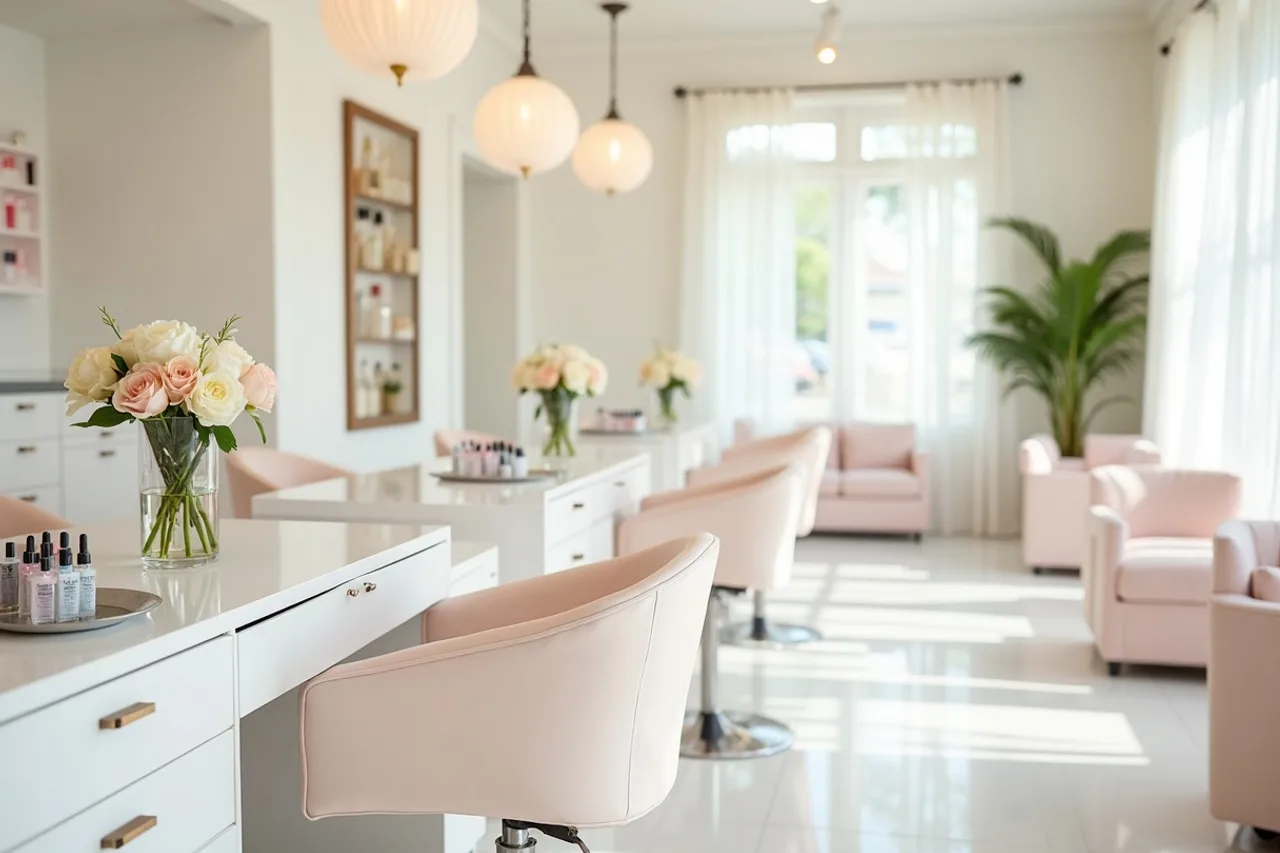
A bride with bridesmaids, the phone nonstop, a full calendar. Cards, patch tests and disinfection apply the same in June as in January.
Wedding Season at the Salon: More Clients, the Same Documentation Duty
June, July and August are the peak of wedding season in Poland, and for a nail salon that means a completely different rhythm of work. A bride arrives with four bridesmaids for a joint appointment, the phone rings nonstop, the calendar is full three weeks ahead. In that pace it's easiest to skip a step that seems "fine for later": filling in a client card, a patch test before brow henna, a logbook entry for disinfection between clients. Sanitary inspectors don't make an exception for the season.
What doesn't change, no matter how busy you are
Documentation duties in a beauty salon are exactly the same on January 2nd and June 15th. A busy period is not a mitigating circumstance during an inspection, only a reason why documentation tends to get neglected.
- Client card at the first visit: every new client, including every bridesmaid attending for the first time at a joint appointment, should have a completed card with a health interview, before the treatment starts, not afterwards.
- Patch test before allergenic treatments: brow henna, lamination, glue-based lash extensions require a patch test done with the appropriate lead time, usually 24 to 48 hours before the actual treatment. Pre-wedding time pressure doesn't shorten that window. In fact, this is the most common moment when clients ask to "do it all on the same day," which is a procedural mistake.
- Disinfection and sterilization of tools between clients: five manicures back to back on the same day doesn't waive the requirement to disinfect the station and replace or sterilize tools between each person.
Group appointments: how to organize them without cutting corners on documentation
A bride with her bridesmaids is a common scenario during wedding season. One appointment, several people, time pressure because they're all waiting on each other.
- Fill out client cards separately, before the first treatment in the group even starts. The simplest solution is sending an online form before the visit so each of the five people fills in her health card in advance, and you just verify and sign on the day.
- Sequence treatments according to tool availability. If you have two stations and five clients, plan the order so that between each person there's real time for disinfection or swapping to a sterilized set, not just a quick wipe with a cloth.
- One person responsible for the logbook entry. With five clients in one day it's easy to lose track of who had disinfection at what time. Set a fixed procedure: the same stylist fills in the register after each treatment, before moving on to the next client.
Bridal manicure and liability for an allergic reaction
Wedding photos last for years, and an allergic reaction to a new hybrid polish or lash glue used right before the wedding is a scenario no salon wants. The risk actually increases during the season, because clients more often ask for products they haven't tried before, for example a special white bridal polish or a new lash glue the bride bought herself.
- A product brought in by the client: if the bride brings her own polish or glue, you have the right to refuse to use a product whose origin and composition you don't know, or to ask her to sign a statement that she takes responsibility for a reaction to an unknown product.
- A new product in your offer: if you're introducing a new polish or system yourself right before wedding season, test it first on yourself or a trusted client with enough lead time, before you start using it widely on brides.
A practical checklist for wedding season
- A client card form sent online before a group visit, filled in before the client even sits in the chair.
- A patch test calendar kept separately from the booking calendar, so you can see at a glance which clients have a test scheduled 48 hours before the actual treatment.
- A larger stock of sterilized tool sets than usual, so sterilization time doesn't get shortened under pressure from the next client waiting.
- A clear rule for the whole team: no treatment starts without a signed client card, no matter how many people are waiting in the reception area.
Frequently Asked Questions
Can I do the patch test and the actual treatment on the same day if the client is in a rush before her wedding?
We don't recommend it. The whole point of a patch test is observing the skin's reaction over time, usually 24 to 48 hours, before you apply the product to a larger area. Doing the test and the treatment on the same day practically eliminates that protective function and exposes you to liability if an allergic reaction occurs.
Does the client card have to be on paper, or can it be electronic?
It can be electronic, as long as the system you use provides a signature or confirmation from the client and the ability to print or present it during a sanitary inspection. For group appointments during wedding season, an electronic form sent before the visit is practically faster than filling in paper on the spot.
What if a bridesmaid refuses to fill in a client card because she's "just getting a one-hour manicure"?
The duty applies to every treatment regardless of how long it takes. A short explanation that this is standard procedure at every salon usually resolves it. If the client still refuses after the explanation, you have the right to decline the treatment, the same as in any other case of missing required documentation.
Is a busy season a mitigating circumstance during a sanitary inspection?
No. The inspector assesses the state of your documentation and procedures on the day of the inspection, regardless of how many clients you served that day or week. The argument "we were very busy" doesn't change the outcome of the inspection or the size of any fine.
Running a beauty salon and want your paperwork in order?
NailsReady packages include ready-made sanitary procedures, GDPR consent templates, client cards and inspection checklists - all tailored to nail, brow and lash salons. Save time and avoid costly mistakes.
See NailsReady packages