PMU Needles: Single-Use Items and Records
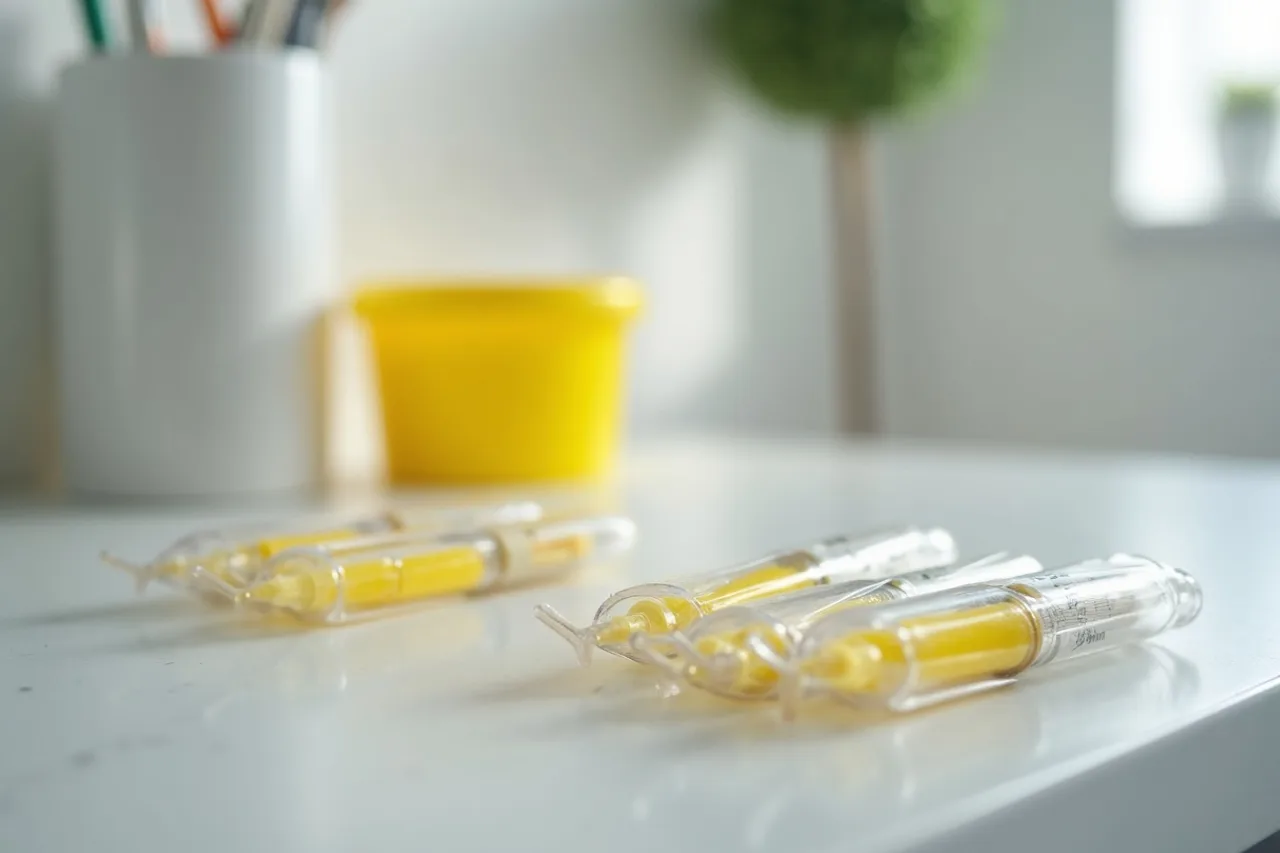
The needle is single-use, so there's no sterilization cycle to log. Instead you track needle and pigment batch numbers and know how long to retain the records.
PMU and Microblading Needles: Sterilization, Single-Use Items and Documentation Like a Tattoo Studio
You already know that permanent makeup needles need to be single-use, factory-sterile, and opened in front of the client. But buying the right equipment is only half of the requirement. The other half is documentation: how do you track which needle and pigment batch number went to which client, where do you keep proof of medical waste disposal, and what does all this look like during an inspection, which checks a PMU salon differently from an ordinary manicure salon.
Why PMU documentation looks different from manicure documentation
With a standard manicure, sterilization documentation concerns reusable tools: an autoclave cycle log, spore tests, technical inspections of the device. With PMU the tool is single-use, so there's no sterilization cycle to document. Instead you document something else: traceability, meaning the ability to establish exactly which product went to which client and when.
- The needle and cartridge batch number, printed on the packaging by the manufacturer, is worth copying into the client's card at every treatment.
- The pigment batch number, for the same reason: if a health complaint ever arises, or if the manufacturer recalls a specific batch, you need to be able to quickly check which clients it concerns.
- Expiry dates of single-use products and pigments, checked before every treatment, with a note in the documentation that the product was within its expiry date on the day of the service.
A PMU treatment card: what it should include
A separate card for every PMU treatment, beyond the standard client card used for manicures, helps keep all the documentation organized in one place.
- Client details and date of treatment.
- The batch number of the needle or cartridge used in the treatment.
- The batch number and manufacturer name of the pigment.
- The date of the patch test and the date of the actual treatment, to document the time gap that was maintained.
- The client's signature confirming the treatment was carried out as agreed, and that she received aftercare instructions.
- The date of the planned touch-up visit, if it was set during the first appointment.
Medical waste: agreement and transfer note
Needles and other single-use sharp items from PMU treatments go into a special medical waste stream, entirely separate from cosmetic waste settled through the BDO system for the rest of the salon.
- A sharps medical waste container (yellow, marked as infectious waste), kept out of clients' reach, closed after every use.
- An agreement with a specialized medical waste disposal company, signed before you start performing invasive treatments. This is a separate agreement from your standard municipal or cosmetic waste collection, and you need to have it in place and current.
- A medical waste transfer note, issued at every collection by the disposal company, confirming the quantity and type of waste handed over. You keep these notes as proof of proper disposal, available during any inspection.
How long to keep the documentation
Given the invasive nature of the treatment and the possibility of delayed health complaints, PMU-related documentation should be kept longer than standard manicure documentation.
- PMU treatment cards with batch numbers: recommended retention for several years from the date of the treatment, in line with general statutes of limitations for civil claims in Poland.
- Medical waste transfer notes: in line with the requirements of the disposal company and waste regulations, usually also for several years, as proof of lawful handling of hazardous waste.
What an inspector checks at a salon performing PMU
An inspection of a salon offering permanent makeup covers extra points compared to a standard manicure or brow salon inspection.
- Whether the invasive tools are genuinely single-use and come from sealed, sterile packaging.
- Whether there's an agreement in place with a medical waste disposal company and whether the transfer notes are current.
- Whether the treatment documentation lets you establish which product batch number went to which client.
- Whether the room where you perform PMU meets the elevated hygiene requirements, including touchless sink access.
Frequently Asked Questions
Do I need a separate register for PMU, or can I just add it to my existing sterilization register?
We recommend a separate register or a dedicated PMU treatment card, because the information you're tracking is different from an autoclave cycle log: instead of sterilization parameters, you're recording single-use product batch numbers. Mixing the two registers makes it harder to find information quickly during an inspection.
Can I throw away used cartridges in the regular bin if they're wrapped in foil?
No. Being wrapped doesn't change the waste classification. Cartridges and needles that had contact with blood or skin tissue always go into the sharps medical waste container, regardless of how they're packaged after use.
How much does an agreement with a medical waste disposal company cost for a small PMU salon?
The cost depends on collection frequency and the amount of waste generated, but for a salon performing PMU occasionally, alongside its main beauty business, fees usually fall within a modest monthly or quarterly flat rate, negotiated individually with the disposal company in your region.
What if the manufacturer recalls a pigment batch I've already used on several clients?
If you keep batch-number documentation for every treatment, you can quickly identify which clients received product from the recalled batch, and reach out to them proactively, informing them of the situation and any recommendations from the manufacturer or the Chief Sanitary Inspectorate.
Running a beauty salon and want your paperwork in order?
NailsReady packages include ready-made sanitary procedures, GDPR consent templates, client cards and inspection checklists - all tailored to nail, brow and lash salons. Save time and avoid costly mistakes.
See NailsReady packages