Autoclave: What It Is and How It Works
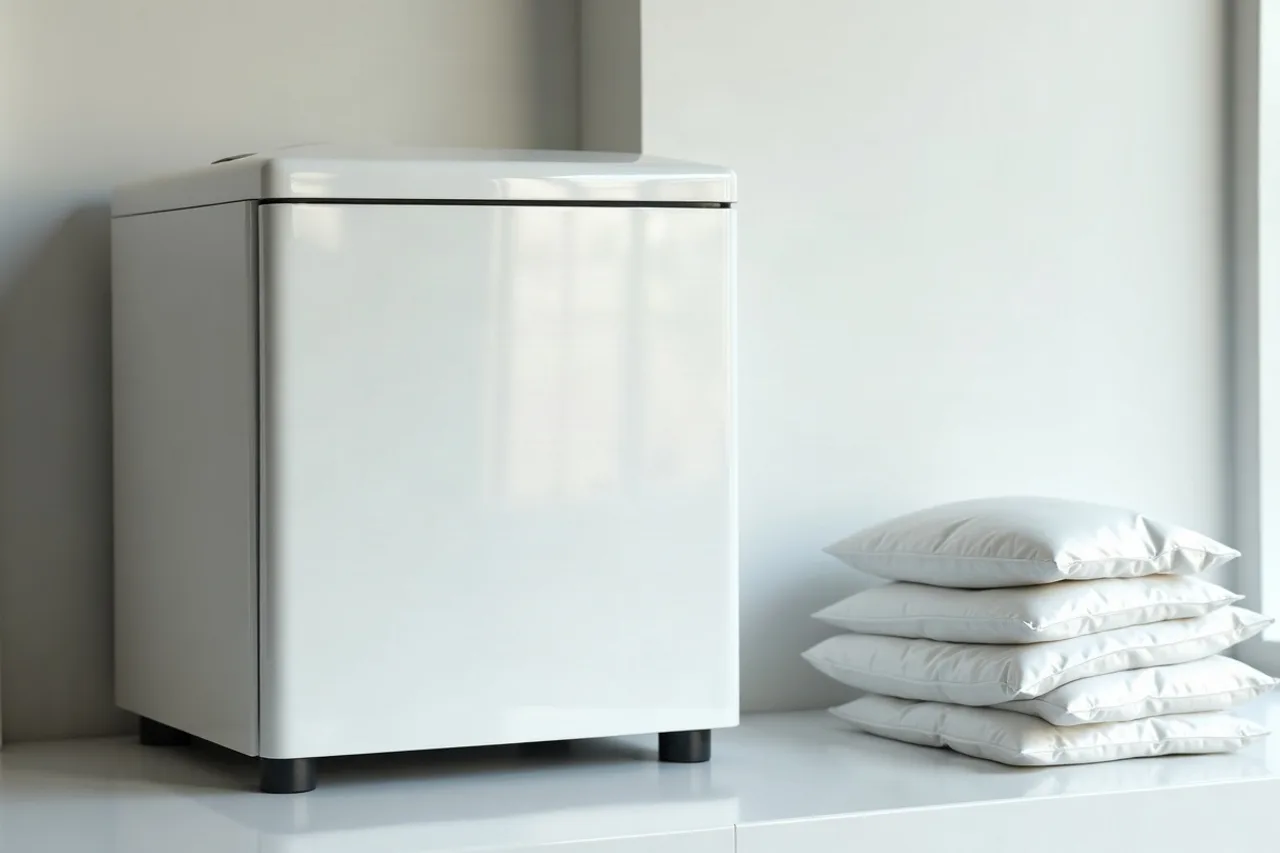
What an autoclave is, how it works and how classes B, N and S differ. See what GIS recommends and whether a salon must have its own autoclave.
In short: an autoclave (autoklaw in Polish) is a device in which tools are sterilised with steam under pressure. The recommendations of the Chief Sanitary Inspector for the beauty industry (GIS, May 2026) call it a steam steriliser and recommend that it meet at least the PN-EN 13060 standard. "What is an autoclave" is the question salon owners ask most often when they are only starting to put their sanitary documentation together. This article explains in plain language how an autoclave works, how classes B, N and S differ, and whether every salon must have one.
Key points
- "Autoclave" is the everyday name for a small steam steriliser. It sterilises with the action of steam at overpressure.
- GIS recommends steam sterilisation in sterilisers meeting at least the PN-EN 13060 standard. It is a recommendation, not a regulation.
- Classes B, N and S describe what loads the device is intended to sterilise. Tools in packaging need a cycle declared for that.
- The autoclave alone is not enough: you also need washing, disinfection, packaging and cycle control.
- Your own autoclave is not the only route. GIS allows sterilisation by an external provider.
What an autoclave is and how it differs from a steriliser
"Autoclave" is an everyday word. The PN-EN 13060 standard and the GIS recommendations speak of a steam steriliser, more precisely a small steam steriliser. According to a study of the standard's requirements available on sterylizacja.org.pl, this is a device whose chamber does not exceed 60 litres and which cannot hold a standard sterilisation unit load. Such devices are found in doctors' and dentists' surgeries and in beauty salons.
Be careful with the word "steriliser". Shops also use it for devices working on a different principle, for example with a UV lamp. The difference matters, because the GIS recommendations describe one sterilisation method: steam at overpressure. We searched the whole text of the recommendations. We found no UV, glass bead or hot air sterilisers in it. We do not assess their effectiveness. If you use such a device, check the manufacturer's declaration and consider asking the county sanitary inspector to review your procedures (Article 16(3) of the Act on preventing and combating infections and infectious diseases in humans).
Where tools cannot withstand sterilisation, the recommendations allow high-level disinfection, meaning an agent that is bactericidal, tuberculocidal, virucidal, fungicidal and sporicidal. It is an exception for tools that cannot be sterilised. The difference between these processes is covered in sterilisation vs disinfection in a salon.
How an autoclave works
Steam sterilisation is one of the oldest sterilisation methods. The active agent is water that condenses on the surface of the tools. Hot steam under pressure destroys the proteins of microorganisms. That is why three parameters count at once in an autoclave: temperature, pressure and time.
In simplified form a cycle looks like this:
- Removing air from the chamber. Air prevents steam from reaching the tools. Higher-class devices do this with a vacuum pump.
- Heating and pressure build-up. Steam fills the chamber.
- Holding the parameters. For the time set in the programme, temperature and pressure do not fall below the set values.
- Drying. Pouches should come out dry. Treat a wet pouch as non-sterile.
- End of cycle. The device signals completion or a fault.
We do not give specific figures (degrees and minutes). They depend on the programme and the device, and the manufacturer sets them. The description of the standard indicates that a steriliser should have instruments showing the temperature and pressure in the chamber, indicators for "cycle in progress", "end of cycle" and "fault", a cycle counter, and a parameter recorder or a process evaluation system. These elements will be useful when you keep a sterilisation log.
Autoclave classes: B, N and S
The standard divides the cycles of small steam sterilisers into three types. The descriptions below come from a study quoting the standard. We have not read the standard itself, because it is paid.
| Class | What the cycle is intended for | What it means in a salon |
|---|---|---|
| B | All products: wrapped and unwrapped, solid, porous and loads with type A cavities | The widest range. Covers tools in packaging |
| N | Only solid, unwrapped products | Does not cover sterilisation pouches |
| S | Products specified by the manufacturer: solid unwrapped plus at least one additional kind, e.g. wrapped singly or in multiple layers | The range differs between models. Check in the manual exactly what the manufacturer declares |
What follows for a salon? The GIS recommendations say that during procedures that break the continuity of tissue, materials and tools kept in separate sterilisation pouches are used. Since tools are to be in packaging, you need a cycle that the manufacturer declares for wrapped products. From these two statements it follows that class N is not enough, and with class S you need to check the declaration. This is our interpretation, not a statement in the recommendations. GIS does not name a class, it only requires compliance with at least PN-EN 13060.
Choosing a specific model is covered separately in which autoclave for a beauty salon.
Packaging, cycle and process control in brief
The autoclave is one stage. The GIS recommendations describe the whole chain for reusable tools that break the continuity of tissue:
- pre-disinfection, so that contamination does not dry on (tools may be kept dry for up to 3 hours after use),
- washing and cleaning,
- proper disinfection, at least bactericidal, virucidal and fungicidal,
- visual inspection and packing in sterilisation packaging,
- sterilisation,
- storage in a clean, dry, closed place. Material in paper-film packaging, in closed cabinets or drawers, may be stored for no longer than 2 months.
Process control covers the device, the load and the cycle. GIS recommends assessing every cycle with physical, chemical and biological indicators, a type 5 or 6 chemical indicator in every pouch (or a process challenge device), biological control at least once a week and a check of the device at least once a year. How to record this is covered in articles on the biological test and packaging tools.
Does every salon need an autoclave
The Act does not say "buy an autoclave". Article 16 requires you to implement and apply procedures that cover the rules for using equipment that is sterilised. The GIS recommendations say that reusable tools that break the continuity of tissue (e.g. nippers, cuticle scissors, tweezers) are sterilised. We found no statement in the recommendations requiring you to own an autoclave.
In practice you have three routes:
- Your own autoclave and a sterilisation station. This requires equipment compliant with the standard, cycle control and inspections.
- External sterilisation. GIS allows it with a provider that has a quality management system (ISO or GMP) and guarantees a sterile product. You need documents: a contract, invoices and a log of tools received and returned.
- Single-use tools where GIS recommends them (e.g. drill bits, files). For some tools the recommendations allow repeated use after decontamination, so check annex 3 of the recommendations for your procedures.
The qualifications of the person who sterilises are covered in who can sterilise in a salon. An older article on equipment and records is autoclave and sterilisation records.
Frequently asked questions
What is an autoclave in simple words?
It is a device that sterilises tools with hot steam under pressure. In standards it is called a small steam steriliser. In a salon it is used for reusable tools that come into contact with blood or may break the continuity of the skin.
Is an autoclave the same as a steriliser?
An autoclave is a steam steriliser. The word "steriliser" is, however, also used for devices with a different principle, e.g. UV radiation. In the GIS recommendations we found no methods other than steam at overpressure, so check in the product description whether you are buying a steam steriliser and to which standard.
Which autoclave class should I choose for a salon?
GIS does not name a class, it recommends compliance with PN-EN 13060. Since tools are stored in pouches, look for a cycle declared by the manufacturer for wrapped products. Class B covers that range by definition, while in class S the range depends on the model. Check the manual.
Will a UV steriliser replace an autoclave?
In the GIS recommendations we did not find UV sterilisers as a sterilisation method. Steam at overpressure is what is recommended. We do not decide how an inspector will assess such a device. If you have doubts, you can ask the county sanitary inspector to review your procedures.
How often does an autoclave need an inspection?
GIS recommends checking decontamination equipment at least once a year, by an authorised service, unless the manufacturer advises otherwise. Records of inspections and maintenance should be kept. Instruments used to check the physical parameters of the cycle are also checked at least once a year.
Legal status as of: 2 November 2026
Legal basis: Article 16 of the Act of 5 December 2008 on preventing and combating infections and infectious diseases in humans (consolidated text: Journal of Laws 2025, item 1675; we checked the amending acts published after this text: Journal of Laws 2026, items 26 and 791, neither changes Article 16); "Hygiene and sanitary recommendations and requirements of the Chief Sanitary Inspector for beauty services" (GIS, May 2026, chapters III-V and annex 3); the study "Small steam sterilisers. Requirements arising from standard PN-EN ISO 13060" (sterylizacja.org.pl) as a secondary source for the descriptions of classes and steriliser equipment. Not checked: the full text of standard PN-EN 13060 (paid), its current version, cycle parameters of specific devices, rules on medical devices, the Official Gazette (Monitor Polski) or draft regulations.
Last reviewed: 2 November 2026
Sterilisation procedure and cycle card to fill in
The autoclave is only part of the system. The NailsReady Foundation package includes a sterilisation procedure, an autoclave sterilisation card and a maintenance register, which you adapt to your device. Check the scope of documents on the package page.
See the Foundation package